Ship the marketing site. Get back to the product.
Describe the product in plain language. Dashing binds structured content to a real template and serves it over HTTPS in about a minute.
- Multi-page
- HTTPS on first request
- Cloudflare Workers
- No build step
- 113 Templates
- 102 Business types
- None. No build step
How it actually runs.
architecture
- content model
- A site is a tree of pages and blocks bound to a template, not generated code. The model fills slots and sets design token values. It never rewrites template CSS and it never writes markup.
- build step
- None. The render Worker parses a template once and caches the compiled form in the isolate. An edit is a database write and is live on the next request. No bundler, no per-tenant deploy, no cold start per tenant.
- output
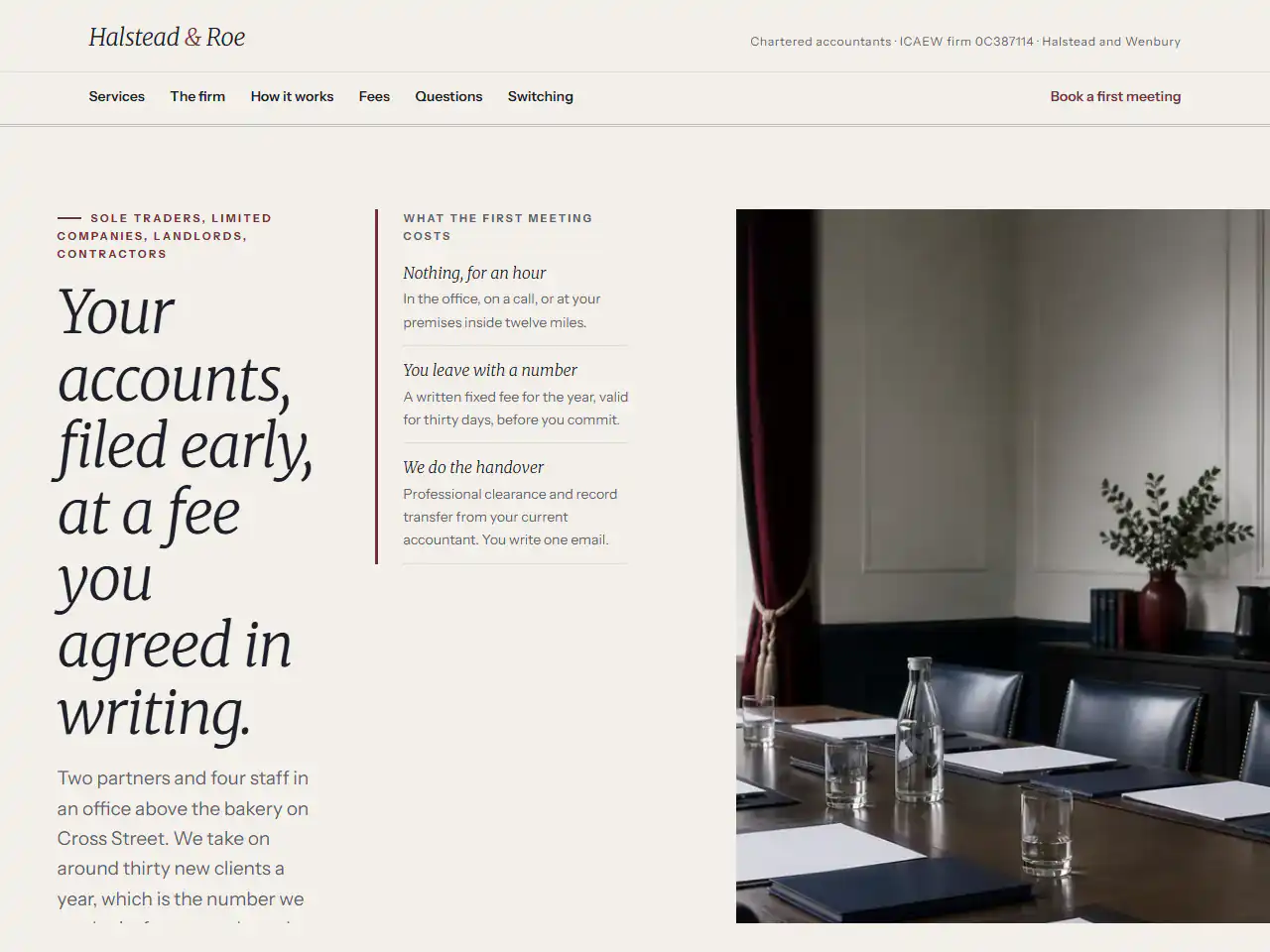
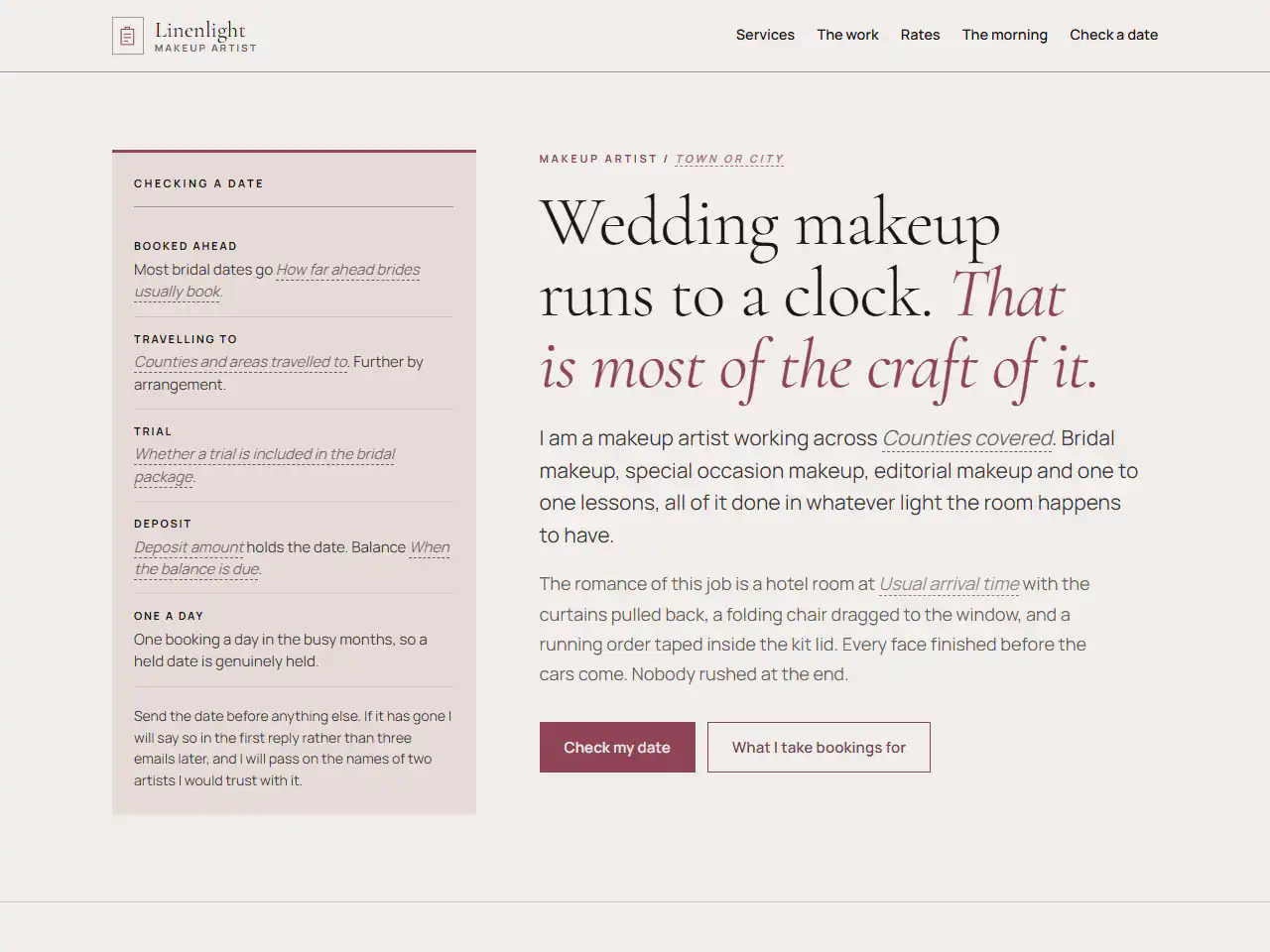
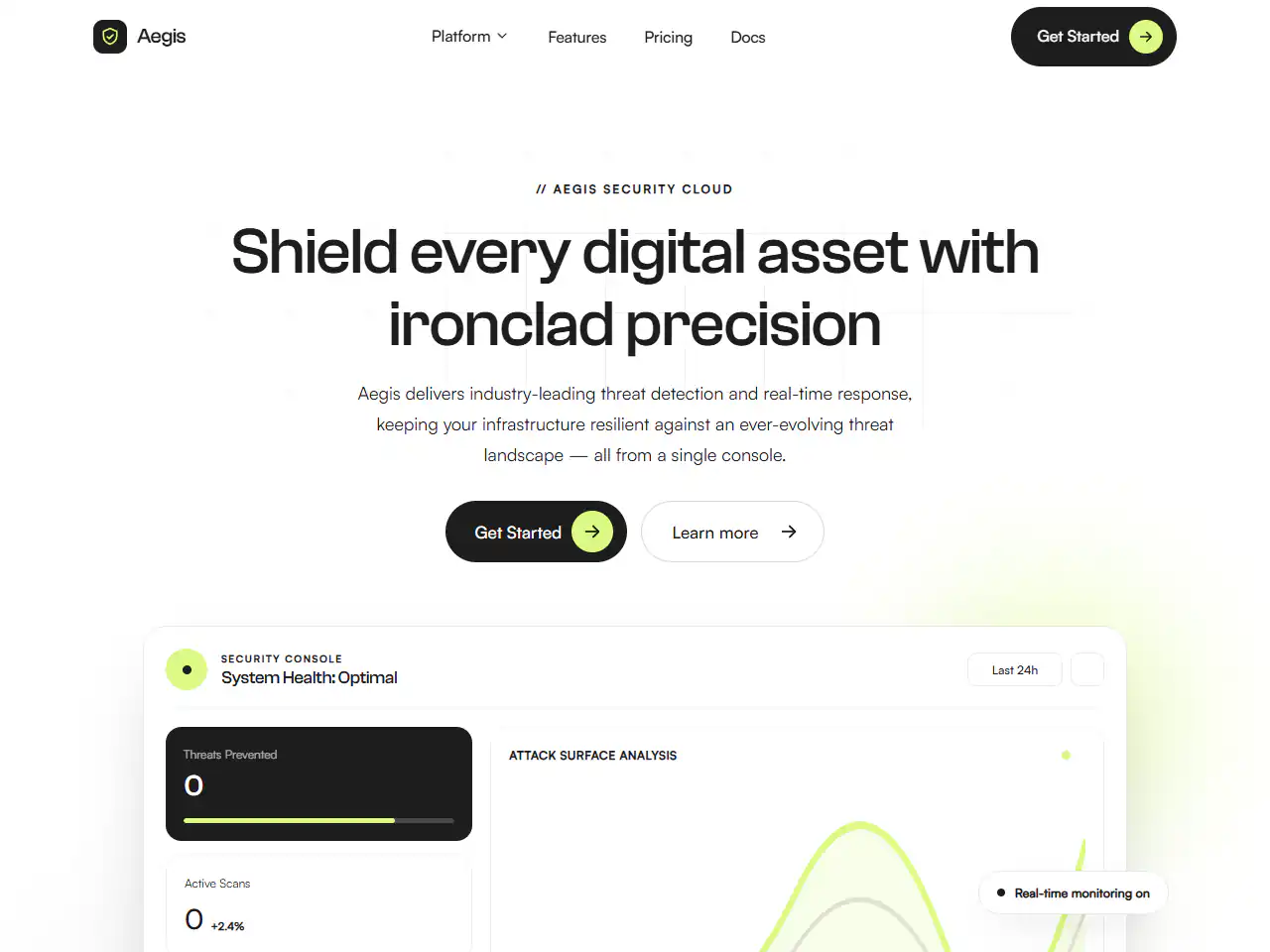
- Multi-page. A home layout plus subpage and detail layouts derived from the same content tree, so the About and Contact pages are not empty stubs.
- origin
- Published sites serve from a different registrable domain than the app,
on
dashingusercontent.com. Site HTML cannot reach an app cookie. That boundary is the reason for the split, not a naming preference. - runtime
- Cloudflare Workers end to end. A front door Worker resolves the Host header through a KV lookup and calls the render Worker over a service binding. HTTPS from the first request.
- model output
- Generated content is validated against the slot schema and retried on a mismatch. Output that does not fit the template does not reach a page.
- no tenant code
- Nothing a customer writes executes on the platform. Content is data rendered by our Worker, so there is no untrusted-code surface to sandbox.
- revert
- A revert is a pointer flip and a KV write. Every publish keeps its full content tree, so rolling back does not rebuild anything.
Generated output.
10 templates for this audience
What you get back.
the trade
- one less repo
- There is no marketing-site repository to maintain and no CMS to run. The content is data bound to a template, validated against its schema, so there is nothing to patch, pin, or upgrade.
- subpages included
- About, pricing and contact are generated from the same description. Nobody hand-builds three extra pages around a landing page, because the layouts derive from one content tree.
- edits skip CI
- Changing copy later is a database write, live on the next request. No rebuild, no review pipeline, no deploy slot booked for a headline tweak.
- no infra line item
- The whole site runs on Workers at close to zero marginal cost, so it never has to justify its own budget, its own on-call, or its own uptime dashboard.
What ships the moment you submit the description.
None of this is a roadmap slide. It is what runs today, checked against the architecture doc line by line.
- Multi-page from the description Home, About and Contact are written from the same input and checked against the template's schema before anything reaches a page.
- A database write, not a deploy There is no bundler and no build queue behind an edit. The render Worker parses the template once and caches it, so a change is live on the next request.
- Every publish kept A revert is a pointer flip and a KV write. Nothing is rebuilt to go back to yesterday's version.
- HTTPS from the first request The front door Worker resolves the hostname and serves the site immediately. There is no propagation wait.
Cheaper than the afternoon you would spend on it.
Single-digit dollars a month
113 finished designs and 102 business types, 95 of them ready to generate right now. Cancel and the site pauses. Nothing is deleted.
In the price
- Every page written, not just a landing page
- HTTPS address on dashingusercontent.com
- Edit any wording without a rebuild
- Swap the template and keep the content
Later, as add-ons
- Appointments and storefront
- Support chatbot
- Longer analytics retention
Bolt on more capability when you need it: priced separately, opt-in, and nothing forced into the base.